
Blog
VR Training for Healthcare Professionals: How It’s Changing the Game and Saving Lives
UX Design
8 min read

Introduction
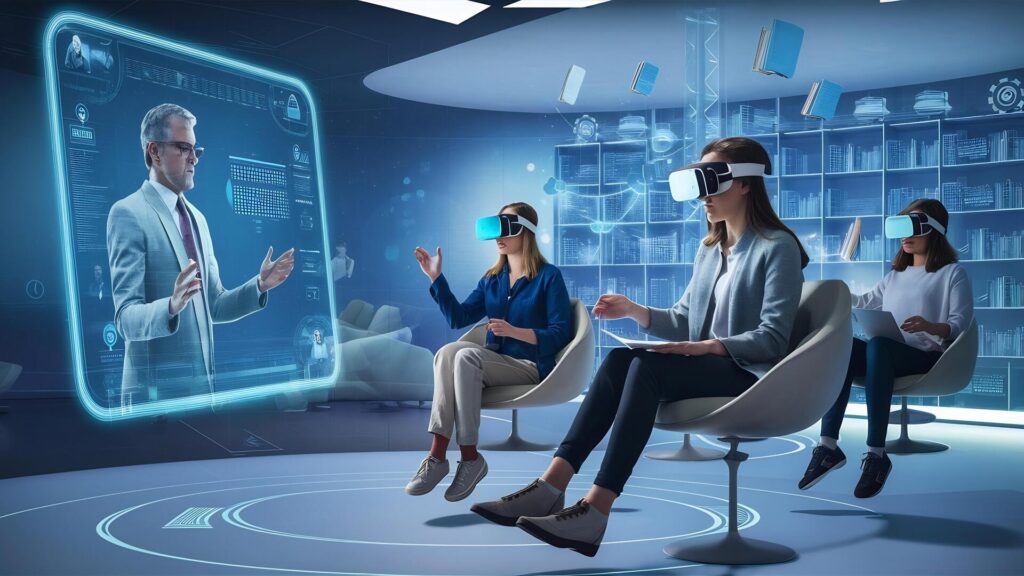
In the fast-paced world of healthcare, staying ahead means constantly learning and adapting. But traditional training methods can sometimes feel like they’re just not cutting it. That’s where Virtual Reality (VR) comes in. Imagine this: instead of just reading about a complex surgery or watching it on a screen, you’re right there—immersed in the moment, practicing hands-on without the fear of making a real mistake. VR is doing wonders in healthcare training, giving doctors, nurses, and other healthcare professionals a chance to learn, practice, and perfect their skills. And, just as importantly, it’s helping them save time and, ultimately, save lives. Let’s take a closer look at how VR is transforming healthcare training in the U.S. and what it means for the future of patient care.
- What Exactly Are VR Training Simulations in Healthcare?
So, what does VR look like in the context of healthcare? Simply put, VR uses technology to create lifelike, virtual environments where medical professionals can practice everything from surgeries to patient interactions. These simulations let them experience real-world situations—like handling a complex surgical procedure or responding to a medical emergency—without ever putting a patient in harm’s way. What’s incredible about VR is that it’s not just a passive tool like reading a textbook or watching a video. It’s active, engaging, and dynamic. It challenges professionals to think, react, and make decisions as they would in real life.
Real-Life Example:
Take Cleveland Clinic, for example. They’ve been using VR in their surgical training labs for years, letting surgeons practice everything from delicate brain surgery to high-stakes organ transplants in a virtual setting. The beauty of this is that no patient is at risk, but the experience is as real as it gets. It’s this kind of training that helps prevent mistakes in the operating room and ensures that doctors are better prepared when it counts.
- Mastering Surgery with VR
Surgery can be intimidating, and it’s no wonder. The stakes are incredibly high, and even a small mistake can lead to serious consequences. VR is a game-changer in this area. Platforms like Osso VR and Touch Surgery offer an incredibly detailed, immersive experience that allows surgeons to practice a variety of procedures. From basic to advanced, and even rare cases, VR gives them the opportunity to perform surgeries again and again, perfecting their skills without any risk.
Why VR Is a Big Deal for Surgeons:
- Repetition without Consequences: Surgeons can practice the same procedure multiple times until they get it just right, which builds muscle memory and confidence.
- Instant Feedback: Many VR platforms provide real-time feedback, which helps surgeons improve their technique and avoid mistakes.
- Better Patient Outcomes: The more familiar a surgeon is with a procedure, the more confident and efficient they’ll be in the operating room, leading to better outcomes for patients.
Real-Life Example:
At UCLA Health, they’ve been integrating VR into their surgical residency programs. Residents get the chance to perform complex surgeries virtually, so when it’s their turn to assist in a live surgery, they’ve already had plenty of practice. It’s helped to reduce errors and complications, ensuring that doctors are ready when the real thing happens.
- Making Quick Decisions in Emergency Situations
We’ve all seen how chaotic and high-pressure a medical emergency can be. Whether it’s a car crash, a heart attack, or a traumatic injury, doctors and nurses have to think on their feet. VR allows healthcare professionals to train for these types of situations, where there’s no room for hesitation. Platforms like SimX put healthcare providers in high-stress scenarios—think trauma care or resuscitation—and let them react in real-time. What’s amazing about VR is that it gives professionals the opportunity to practice making life-or-death decisions without any real-world consequences.
The Perks of VR in Emergencies:
- Realistic Pressure: VR lets you feel the weight of an emergency situation without the risk of actual harm, helping healthcare providers learn how to stay calm and focused under pressure.
- Practice Makes Perfect: The more you rehearse these high-stakes situations, the quicker and more accurate your response becomes when it matters most.
Real-Life Example:
Take Mount Sinai Health System in New York. They’ve been using VR to train their emergency teams, simulating everything from multi-vehicle accidents to cardiac arrest. This kind of virtual practice means that when a real emergency arises, their staff is ready to act decisively and save lives.
- Patient Interactions: Practicing Compassion and Communication
But healthcare isn’t just about procedures and diagnoses; it’s also about interacting with patients. Sometimes those interactions can be tough—delivering bad news, talking through treatment options, or handling emotional situations. VR can also help professionals navigate these difficult conversations. Platforms like UbiSim let nurses and doctors practice empathy and communication in various patient scenarios, from reassuring an anxious patient to delivering tough diagnoses. The goal is to build emotional intelligence along with technical skills.
Why VR Works for Patient Communication:
- Tough Conversations: VR provides a safe space to practice what it feels like to break bad news or deal with sensitive patient concerns.
- Empathy: It’s one thing to read about patient care in a textbook, but it’s another to experience it firsthand in VR, putting yourself in the patient’s shoes.
- Cultural Competency: VR also helps healthcare professionals interact with patients from different backgrounds, improving their ability to provide culturally sensitive care.
Real-Life Example:
The Mayo Clinic, known for its compassionate patient care, uses VR to teach its medical staff how to communicate effectively with patients from diverse cultural backgrounds. This kind of training ensures that healthcare workers can connect with patients on a deeper level, leading to better overall care and patient satisfaction.
- Time-Saving Training: Learning on Your Own Schedule
Traditional medical training can be time-consuming. Between attending lectures, shadowing doctors, and practicing on live patients, finding time to learn can be a challenge. That’s where VR shines. It gives healthcare professionals access to training whenever they need it—whether it’s in the middle of a busy shift or late at night. This flexibility allows professionals to learn at their own pace and fit training into their schedules, rather than working around the availability of patients or instructors.
Time-Saving Benefits:
- On-Demand Access: No need to wait for a scheduled training session. With VR, healthcare workers can jump into a simulation whenever they have a spare moment.
- Personalized Learning: Professionals can spend as much time as they need practicing specific procedures or scenarios, honing their skills before they apply them in the real world.
Real-Life Example:
At Johns Hopkins Medicine, VR has become a key part of their training programs. Medical students can access training modules from anywhere, allowing them to practice procedures at their own pace. This on-demand access ensures that no one has to miss out on important learning opportunities due to time constraints.
- Expanding Access to Quality Education
One of the most exciting aspects of VR in healthcare is its ability to make top-tier training accessible to healthcare providers, regardless of where they’re located. In rural areas or underserved regions, where resources for traditional medical education may be limited, VR is helping level the playing field. Professionals in these areas can access the same quality training as those in large cities, helping them stay current with the latest medical advancements.
How VR Brings Education to Everyone:
- Affordable Training: VR is often much more cost-effective than traditional training methods, which can involve expensive equipment, instructors, and facilities.
- No Travel Needed: Healthcare workers in remote areas no longer have to travel to big cities for training. They can access the best education from anywhere, as long as they have an internet connection.
- Democratizing Learning: Whether you’re in the middle of a bustling city or a quiet town, VR ensures that every healthcare worker has the opportunity to learn and grow.
Real-Life Example:
In rural North Carolina, healthcare providers in small towns now have access to cutting-edge VR training, making sure they can stay up-to-date with the latest medical procedures and emergency protocols. This is a huge step forward in ensuring that all patients—regardless of location—receive the best possible care.
- Cutting Down on Medical Errors
Mistakes in healthcare can have serious consequences, but it’s a fact that a lack of experience is one of the leading causes of medical errors. With VR, healthcare workers can gain the experience they need without the fear of harming a patient. By training on a variety of medical scenarios, they can practice complex and rare cases, preparing for anything that comes their way.
How VR Helps Reduce Errors:
- Mastery Through Practice: By repeatedly practicing medical procedures in VR, professionals are more likely to perform them correctly when it’s time for the real thing.
- Simulating Rare Scenarios: VR can simulate situations that healthcare providers might rarely encounter, like a rare condition or emergency, ensuring they’re prepared for anything.
- Building Confidence: The more a healthcare professional practices, the more confident they become, which leads to fewer mistakes in real-life situations.
Real-Life Example:
At Texas Children’s Hospital, VR is used to simulate rare pediatric conditions that doctors may not encounter often. This helps doctors build the experience they need to treat these conditions effectively when they arise, reducing errors and improving patient care.
- Better Patient Outcomes: The End Goal
All of this—whether it’s practicing surgery, responding to emergencies, or interacting with patients—is ultimately aimed at one thing: better patient care. VR is helping healthcare professionals become more skilled, confident, and empathetic, which leads to better patient outcomes. When doctors and nurses are well-prepared, they can deliver faster, more accurate care, which results in healthier patients and fewer complications.
How VR Impacts Patient Care:
- Quick Responses: Professionals who’ve trained in VR can respond more quickly to medical emergencies, improving patient outcomes.
- Fewer Mistakes: With VR, healthcare workers gain the experience they need, which translates into fewer errors and better patient safety.
- Stronger Patient Relationships: Well-trained, empathetic healthcare professionals are able to connect with patients on a deeper level, improving both care quality and patient satisfaction.
Real-Life Example:
At UC San Diego Health, VR simulations are used to train medical professionals in advanced diagnostic procedures. As a result, their staff can quickly and accurately diagnose and treat patients, leading to improved outcomes and higher levels of patient satisfaction.
- Real-Life Examples of VR in Healthcare Training
- St. John’s University in New York has taken a big step forward by incorporating VR into their healthcare training programs. Their new health center uses lifelike mannequins and VR to help students practice medical procedures in a controlled, realistic setting. It’s a great way to get hands-on experience without the pressure of real-life situations.
- UbiSim, a VR platform dedicated to nursing education, is providing realistic training for nurses in everything from patient care to emergency procedures. It’s an excellent tool for developing both clinical skills and emotional intelligence.
- Looking Ahead: The Future of VR in Healthcare Training
The future of VR in healthcare is exciting. As technology continues to advance, we’ll see even more immersive simulations, and AI might even get involved to make training even more personalized and effective. Imagine VR systems that adapt in real time, offering tailored feedback and adjusting scenarios to suit individual learning styles.
What’s Next for VR in Healthcare?
- AI Integration: Real-time performance analysis will allow for more personalized feedback, making training even more effective.
- Augmented Reality (AR): Combining VR with AR could lead to even more realistic, hands-on learning experiences.
- Expansion to Other Areas: As VR continues to improve, we’ll see more applications in fields like dentistry, mental health, and physical therapy.
Conclusion: Saving Time, Saving Lives
VR is reshaping healthcare education in ways that are helping professionals become more skilled, more confident, and more compassionate. It’s an innovative tool that’s improving patient care, reducing errors, and ensuring that healthcare workers are prepared for anything that comes their way. As this technology evolves, it will continue to play a critical role in shaping the future of healthcare training and, ultimately, the future of patient care.